Coonhound Puppies for Sale
Looking for Coonhound puppies for sale in the UK? These athletic American scent hounds are celebrated for their extraordinary noses, musical voices and affectionate personalities. Before bringing one home, it is worth understanding that “Coonhound” describes several related breeds rather than one single pedigree type.
Explore available dogs and puppies on PetSalesUK: https://petsalesuk.com/
Coonhound Puppies for Sale
Coonhounds were developed in North America to follow scent trails over challenging terrain, often working independently and for long periods. Their determination, stamina and scenting ability can make them fascinating companions, but they are not simply oversized lapdogs. They need owners who enjoy outdoor activity, patient training and managing a powerful tracking instinct.
The best-known varieties include the Black and Tan Coonhound, Bluetick Coonhound, Redbone Coonhound, Treeing Walker Coonhound, American English Coonhound and Plott Hound. They differ in size, coat, build and temperament. Ask any seller to identify the precise breed, explain the parent dogs’ backgrounds and provide relevant documentation; avoid listings that use “Coonhound” without further detail.
Which Type of Coonhound Is Right for You?
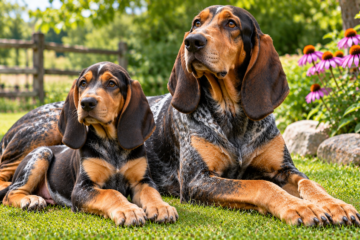
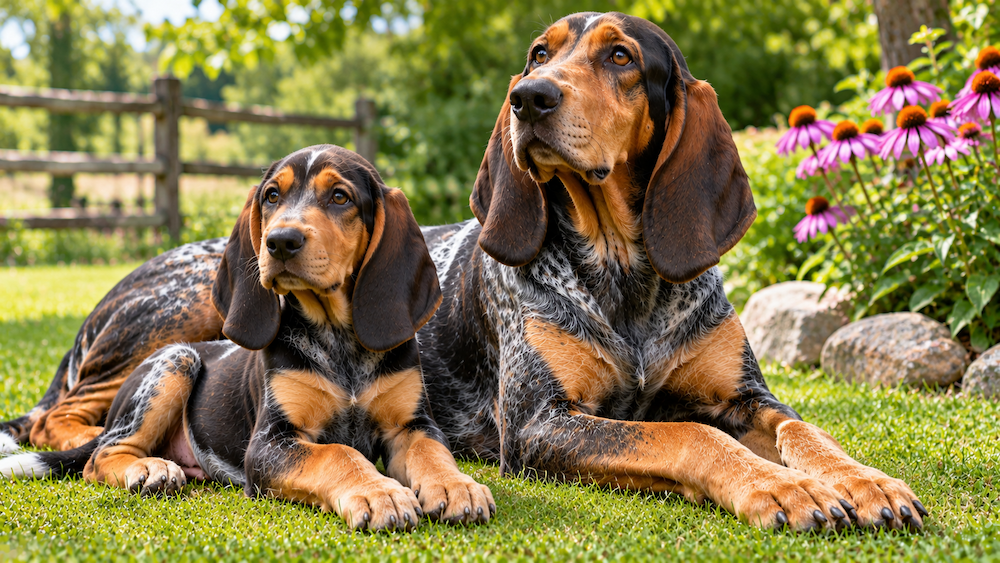
A Black and Tan Coonhound is typically substantial and laid-back indoors after exercise, while a Treeing Walker may be particularly energetic and quick on the trail. Blueticks are known for their distinctive mottled coats and vocal nature. Redbones have a striking solid-red coat, and Plott Hounds often have brindle markings. These are broad tendencies, not guarantees: the individual puppy’s parents, early experiences and training matter more than a colour description.

Coonhound Puppies for Sale Near Me
Coonhounds are comparatively uncommon in Britain, so buyers may need to widen their search beyond their immediate county. Availability can be sporadic and some advertised dogs may be crosses or imported lines. Do not rush into a purchase because a litter is rare. A responsible breeder will welcome questions, explain the breed’s working background and discuss whether your home is suitable.
Questions to Ask a UK Coonhound Breeder
- Can I meet the mother with the puppies and see where they have been raised?
- Which exact Coonhound breed or cross are the puppies, and what are the parents’ temperaments?
- What veterinary checks and breed-appropriate screening have the parents undergone?
- How have the puppies been socialised to people, household sounds, handling and other animals?
- What food, vaccination, worming and microchip records will be supplied?
- Will the breeder provide a written agreement and remain available for advice?
In England, a puppy must be at least eight weeks old before sale, and commercial sellers may require a local authority licence. Rules vary across the UK’s nations, so check the requirements where the breeder operates. Dogs must be microchipped and registered in accordance with the applicable national rules. Never pay a deposit solely on the strength of attractive photographs or agree to collect a puppy from a motorway service station.
Does a Coonhound Make a Good Family Dog?
Many Coonhounds are sociable, affectionate and gentle with their own families. Their friendly manner can make them rewarding companions for households that can provide enough time and activity. However, they are large or medium-to-large, strong dogs with a pronounced interest in scents. Young children should be supervised, particularly around boisterous adolescents, and children must be taught to respect a dog’s resting and feeding space.
Coonhounds often enjoy canine company, but introductions should be gradual. Their hunting heritage means that cats, rabbits and other small pets may trigger chasing behaviour, especially outdoors. Some individuals can live peacefully with familiar cats if raised and managed carefully; this should never be assumed.
Are Coonhounds Suitable for First-Time Owners?
A committed first-time owner can succeed with a Coonhound, but the breed group is usually easier for people who already understand scent hounds. Recall can be unreliable once an exciting trail appears, and their loud baying can create difficulties in densely populated neighbourhoods. Secure fencing, realistic exercise plans and positive-reinforcement training are essential.
Coonhound Temperament and Personality
Coonhounds combine a warm, often playful home personality with remarkable independence outdoors. Many are enthusiastic sniffers, enjoy meeting people and can be calm indoors once their physical and mental needs are met. Their voices are a defining feature: barking, howling and baying are normal communication, not necessarily evidence of poor training.
They may dislike being left alone for long periods, particularly without exercise or enrichment. Introduce short, positive absences gradually, provide safe food puzzles and seek help early if separation-related distress develops. A Coonhound is unlikely to be the best fit for someone wanting a very quiet dog or a pet that can be left for most of the working day.
Coonhound Exercise and Activity Requirements
An adult Coonhound generally needs substantial daily activity, often around 60–90 minutes or more depending on breed, age, fitness and individual energy. The goal is not nonstop running: varied walks, sniffing time, play and training are more satisfying than distance alone. Puppies need shorter, age-appropriate outings and should not be pushed into repetitive long runs while growing.
Walking Safely in the British Countryside
Because a Coonhound can lock onto an animal trail and ignore a recall cue, use a well-fitted harness and long line in suitable spaces. Off-lead exercise is best reserved for genuinely secure enclosed areas until recall has been thoroughly assessed. Around livestock, follow local access rules and keep the dog under close control. Check fencing for gaps: an interesting smell can motivate climbing, digging or squeezing through weak spots.
Wet British winters are manageable for many healthy adults, but short-coated dogs can appreciate a waterproof layer during prolonged cold rain. Dry ears and paws after muddy walks, and check for ticks after visiting rough grass or woodland.
Training a Coonhound
Training should be consistent, reward-based and designed around the dog’s exceptional sense of smell. Food rewards, games and opportunities to investigate scents are often more effective than repetitive drills. Keep sessions short and successful; apparent stubbornness may simply mean that the environment is more rewarding than the handler.
Training Priorities for Coonhound Puppies
- Reward attention and check-ins from the first week at home.
- Practise recall on a long line before considering any off-lead freedom.
- Teach loose-lead walking before the dog becomes powerful.
- Build a reliable settle cue and reward quiet, relaxed behaviour.
- Introduce calm handling of ears, paws, mouth and coat.
- Use scent games and simple tracking exercises as constructive outlets.
Avoid punishment-based approaches for barking or recall failures. If baying becomes disruptive, address the triggers, improve enrichment and work with a qualified, reward-based trainer.
Coonhound Grooming and Coat Care
Most Coonhound breeds have short, relatively easy-care coats. A weekly brush usually removes loose hair and helps distribute natural oils, although shedding varies. Bathing is needed only when dirty or smelly, using dog-appropriate products. Their long, pendulous ears deserve particular attention: check them regularly for redness, odour, discharge or discomfort, and ask a vet how to clean them safely.
Trim nails as required, brush teeth regularly and inspect feet after country walks. Dogs that spend time in brambles or long grass may collect grass seeds, ticks and minor skin injuries. A quick post-walk inspection is an excellent habit.
Coonhound Health and Lifespan
Depending on the particular breed, a Coonhound may live roughly 10–13 years, sometimes longer. As with other medium-to-large, deep-chested dogs, potential concerns include hip dysplasia and gastric dilatation-volvulus (GDV, or bloat). Ear infections, obesity and some breed-specific eye or inherited conditions may also occur. Risks vary considerably between Coonhound varieties and family lines.
Health Checks Before Buying
Ask about hip evaluations and any screening recommended for the specific breed and bloodline. For example, responsible breeders may discuss eye examinations, thyroid assessment or DNA tests where relevant. There is no single universal “Coonhound health test” covering all six breeds. A breeder should be able to explain what was tested, why it matters and provide verifiable results.
Know the warning signs of GDV: sudden abdominal swelling, repeated unproductive retching, distress and weakness require emergency veterinary care. Maintain a healthy body condition and discuss feeding routines and individual risk factors with your vet. Routine vaccination, parasite prevention and dental care are also important.
Interesting Facts About Coonhounds
- The name comes from their historical role in tracking raccoons in North America, not from a single shared coat type.
- Their characteristic bay can carry a long distance, helping handlers locate working dogs.
- Many Coonhounds use both ground scent and airborne scent to follow a trail.
- The Plott Hound has a distinct ancestry associated with German hunting dogs brought to North Carolina.
- A Coonhound’s relaxed appearance at home can disguise exceptional stamina outdoors.
- Scentwork is a particularly satisfying way to exercise a Coonhound’s brain in the UK.
Coonhound Breed Overview
These indicative ratings describe the Coonhound group as a whole. Individual breeds and dogs can differ significantly.
Characteristic | Typical Coonhound Profile |
Origin | United States |
Breed group | Scent hound; several distinct breeds |
Size | Medium–large to large, depending on variety |
Typical lifespan | Approximately 10–13 years |
Family affection | High |
Exercise needs | High |
Trainability | Moderate; independent scent focus |
Grooming needs | Low–moderate |
Shedding | Moderate |
Vocal tendency | High; baying and howling |
Prey drive | Often high |
Apartment suitability | Generally low |
First-time owner suitability | Moderate to challenging |
Thinking About Buying a Coonhound?
A Coonhound can be a wonderful choice for an active home that enjoys long walks, scent games and the companionship of an affectionate, characterful hound. The right match depends on your ability to manage recall, vocalisation and a strong tracking instinct—not simply on how appealing a puppy looks.
Before committing, confirm the exact breed, meet the puppy and mother, review health and microchip records, and consider the long-term costs of food, insurance, training and veterinary care. If a puppy is not available, an adult hound or reputable rescue may also be worth considering.
Browse Coonhound and other dog listings at PetSalesUK: https://petsalesuk.com/