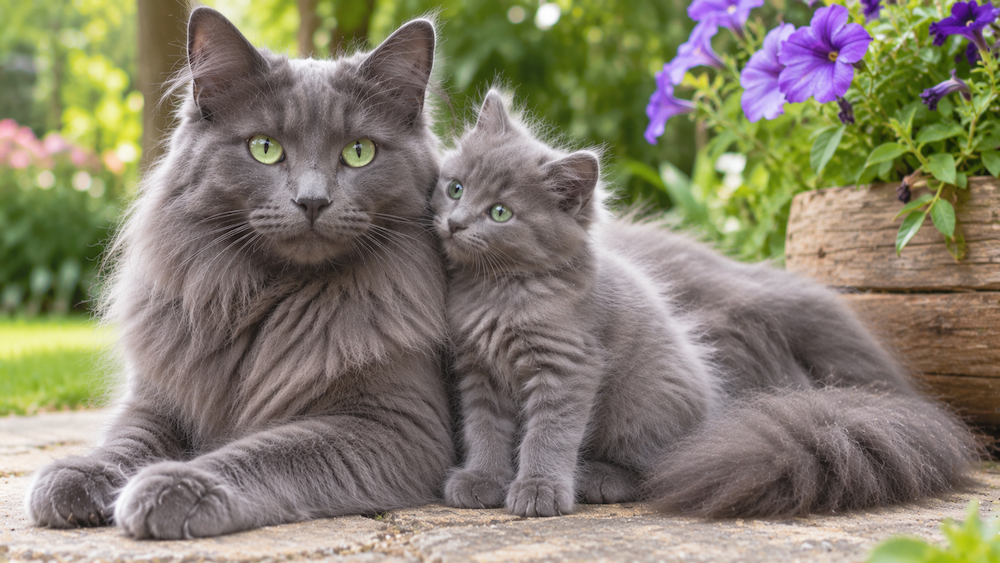
Nebelung Kittens for Sale
Elegant, gentle and instantly recognisable by their shimmering blue-grey coats, Nebelung cats make devoted companions for households that appreciate a quieter feline personality. If you are searching for Nebelung kittens for sale in the UK, this guide explains what to expect and how to choose a responsible breeder.
Explore cat listings on PetSalesUK.com and take time to verify each kitten’s health, background and living conditions before making arrangements.
Nebelung Kittens for Sale
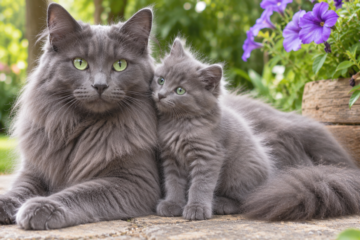
The Nebelung is a relatively rare, semi-longhaired breed with a distinctive solid blue coat tipped with silver, a graceful body and striking green eyes in maturity. The name is associated with the German word for mist, an apt description of the breed’s soft, silvery appearance. Although similar in colour to the Russian Blue, the Nebelung is a separate breed with a longer coat.
Nebelung kittens are usually lively and curious, but their characteristic reserve may emerge as they mature. A kitten should be alert, responsive and comfortable in its surroundings, rather than simply being selected for its coat colour. Because the breed is uncommon in Britain, buyers may need to join a waiting list or travel to meet a suitable litter.
What Does a Nebelung Kitten Look Like?
Young kittens often have bright yellow-green eyes that develop towards a richer green as they grow. Their medium-length, fine double coat becomes more pronounced with age, especially around the neck and tail. The breed typically has a plumed tail, a slender yet muscular frame and a gentle expression. A long-haired grey kitten is not automatically a pedigree Nebelung: documented parentage matters when a seller advertises a purebred animal.
Getting Your Home Ready
Prepare a quiet room with a litter tray, fresh water, food, a comfortable bed, a scratching post and a covered hiding place. Nebelungs often appreciate predictable routines and time to observe new surroundings before joining household activity. Provide a sturdy carrier for collection and ask the breeder which food and litter the kitten already knows.

Nebelung Kittens for Sale Near Me
Whether you live in London, Manchester, Birmingham, Bristol, Edinburgh, Cardiff or a smaller town, finding a responsible breeder should take priority over finding the nearest advertisement. Nebelung litters are relatively uncommon, and availability may fluctuate considerably. Be cautious of websites claiming large numbers of immediately available pedigree kittens across many locations.
A reputable breeder should be willing to discuss their breeding programme, show you the kitten where it has been raised and explain the kitten’s temperament. Ask which registration body, if any, recognises the parents and litter; breed recognition and registration rules differ between feline organisations.
Buying a Nebelung Kitten Responsibly in the UK
In England, kittens sold as pets must generally be at least eight weeks old. Commercial sellers may require a local authority licence, and the rules differ across England, Scotland, Wales and Northern Ireland. Check the requirements that apply where the seller is based. Wherever practical, meet the kitten with its mother, see the home environment and obtain a clear written agreement.
Ask for vaccination and veterinary records appropriate to the kitten’s age, worming information, microchip details if already implanted, and any pedigree documents promised in the listing. Confirm whether the kitten will be sold for companionship or with breeding rights. Never send a large deposit without checking the seller’s identity and the kitten’s existence.
Questions Worth Asking a Breeder
- Can I meet the kitten, its mother and the people caring for the litter?
- What pedigree and registration paperwork will be provided?
- What veterinary examinations and relevant health screening have the parents received?
- How have the kittens been socialised to visitors, household sounds and handling?
- What is the kitten’s current diet, litter routine and vaccination status?
- What support or return policy do you offer if the placement does not work out?
Does a Nebelung Make a Good Family Cat?
Nebelungs can be affectionate family companions, especially in homes where people respect their preference for gentle handling and a steady routine. They often form strong bonds with familiar people and may follow a favourite person from room to room. Some are cautious with strangers or sudden noise, so they are not always the best match for a constantly busy household.
Children should learn to allow the cat to approach voluntarily and to avoid chasing, grabbing or disturbing it while sleeping. Older, considerate children may particularly enjoy interactive play and grooming sessions. As with all cats, supervise interactions with young children.
Living with Dogs and Other Cats
A Nebelung can coexist with compatible pets when introductions are gradual. Start with separate rooms and scent exchanges, then allow short, supervised meetings. Provide multiple feeding areas, litter trays and elevated resting places so the new kitten does not feel cornered. Temperament and prior socialisation matter more than breed labels alone.
Nebelung Temperament and Personality
Owners frequently describe the Nebelung as intelligent, sensitive, loyal and quietly playful. Many enjoy sitting nearby rather than demanding attention from every visitor. They may be wary of unfamiliar people initially, then become very affectionate once trust develops. Individual cats vary, and good early socialisation can make a substantial difference.
Nebelungs generally prefer consistent mealtimes and familiar spaces. They may become unsettled by repeated upheaval, so establish calm routines when moving house or welcoming new pets. Their reserved nature should not be confused with a lack of affection or a need for companionship.
Can Nebelungs Live in Flats?
Yes. An indoor flat can suit a Nebelung if it provides daily stimulation, secure windows, climbing opportunities and enough space to retreat. Cat trees, shelves, puzzle feeders and a window perch are valuable. A secure catio or enclosed garden can add enrichment without exposing the cat to traffic or other outdoor risks.
Nebelung Exercise and Play Requirements
Despite their elegant appearance, Nebelungs are capable jumpers and enjoy active play. Use wand toys, soft balls and food puzzles to encourage stalking, chasing and problem-solving. Two or three short play sessions daily are a useful starting point, with extra opportunities for energetic youngsters.
Rotate toys rather than leaving everything out at once. Provide vertical space and sturdy scratching surfaces, and keep strings or small detachable toy parts away when unsupervised. A cat that spends most of its time indoors still needs exercise to maintain muscle tone and healthy body condition.
Training a Nebelung Cat
Nebelungs can respond well to patient, reward-based training. Begin with simple behaviours such as coming when called, entering a carrier or using a scratching post. Reward desired behaviour immediately with a small treat, praise or a favourite toy. Keep sessions brief and end while the kitten is still interested.
Litter Training and Household Manners
Most well-raised kittens have already learned basic litter habits. Provide a clean tray in a quiet, accessible place, away from food and water. For multi-cat homes, a common starting guideline is one tray per cat plus one extra. Avoid punishment for accidents; investigate stress, litter preferences or health problems instead.
Helping a Shy Kitten Settle
Give a cautious kitten control over the pace of introductions. Sit quietly nearby, offer treats and allow it to emerge on its own. Do not pull it from a hiding place. Gradual exposure to ordinary household sounds and friendly visitors can help build confidence without overwhelming the kitten.
Nebelung Grooming and Coat Care
The Nebelung’s soft, medium-length coat needs regular attention, although it is generally less demanding than the very dense coat of some long-haired breeds. Comb two or three times a week as a starting point, increasing frequency during seasonal shedding or if knots develop. Pay attention to the chest, belly, behind the ears and tail.
Introduce a gentle comb early, use rewards and avoid pulling through tangles. Check the ears, trim nails as needed and discuss dental care with your vet. Bathing is not usually necessary unless recommended for a particular problem. Their silver-blue coat looks its best when it is clean, untangled and supported by good nutrition.
Do Nebelung Cats Shed?
Yes. Nebelungs shed, especially during seasonal coat changes. They are not hypoallergenic, and people sensitive to cat allergens may react despite the breed’s reputation for a tidy coat. If allergies are a concern, spend time around cats before making a long-term commitment.
Nebelung Health and Lifespan
Nebelungs are often described as generally robust, with many living into their teens when well cared for. However, no breed is guaranteed to be free of illness, and limited breed population size makes responsible breeding decisions particularly important. Ask about the health of parents and relatives, any known hereditary problems and the breeder’s approach to genetic diversity.
What Health Checks Should Buyers Expect?
There is no single breed-specific screening test that replaces good veterinary care. Ask what checks are relevant to the breeding lines, whether any heart or other inherited conditions have appeared in the family, and whether both parents are in good health. A veterinary examination before sale and clear records are valuable. Be cautious of sweeping claims that the breed can never develop genetic disease.
Weight, Teeth and Preventative Care
Indoor cats can gain excess weight if food portions are too generous and activity is limited. Feed a complete diet appropriate to life stage, monitor body condition and provide clean water. Schedule regular veterinary visits, dental checks, parasite prevention tailored to your cat’s lifestyle and vaccinations advised by your vet. Consider pet insurance or a dedicated savings reserve for unexpected treatment.
Interesting Facts About the Nebelung
- The name “Nebelung” evokes mist, reflecting the breed’s silvery blue coat.
- The breed was developed in the United States during the 1980s, despite its German-sounding name.
- Its coat is blue with silver-tipped hairs, creating a subtle shimmering effect.
- The green eye colour associated with adult Nebelungs can take time to develop fully.
- The breed is still relatively rare, so genuine pedigree kittens may require patience to find.
Nebelung Breed Overview
These ratings describe broad tendencies rather than promises about an individual cat. Early socialisation, health and home environment all influence behaviour.
Breed characteristic | Typical rating |
Affection with familiar people | ★★★★★ Very high |
Confidence with strangers | ★★☆☆☆ Often reserved |
Suitability for calm families | ★★★★★ Excellent |
Compatibility with gentle children | ★★★★☆ Good with supervision |
Compatibility with other pets | ★★★★☆ Often good with introductions |
Activity and play needs | ★★★☆☆ Moderate |
Intelligence and trainability | ★★★★☆ High |
Grooming requirements | ★★★☆☆ Moderate |
Shedding | ★★★☆☆ Moderate |
Vocal tendency | ★★☆☆☆ Usually quiet |
Flat or apartment suitability | ★★★★★ Very good |
Tolerance of long periods alone | ★★☆☆☆ Limited |
Thinking About Buying a Nebelung Kitten?
A Nebelung may be an excellent choice if you want an affectionate, intelligent companion and can offer a stable home, gentle socialisation and regular coat care. The breed’s beauty is only part of the story: choose for temperament, health and suitability rather than colour alone.
Be patient with the search, request evidence of pedigree where advertised, and visit the breeder before making a final decision. Budget for food, grooming equipment, veterinary care, insurance and enrichment throughout the cat’s life.
Browse kittens and other cats advertised on PetSalesUK.com and contact sellers directly to ask questions and arrange a responsible visit.