Exotic Shorthair Kittens for Sale
With their plush teddy-bear coats, round faces and affectionate personalities, Exotic Shorthair cats appeal to UK households seeking a calm companion with a distinctly Persian-like appearance.
Exotic Shorthair for Sale
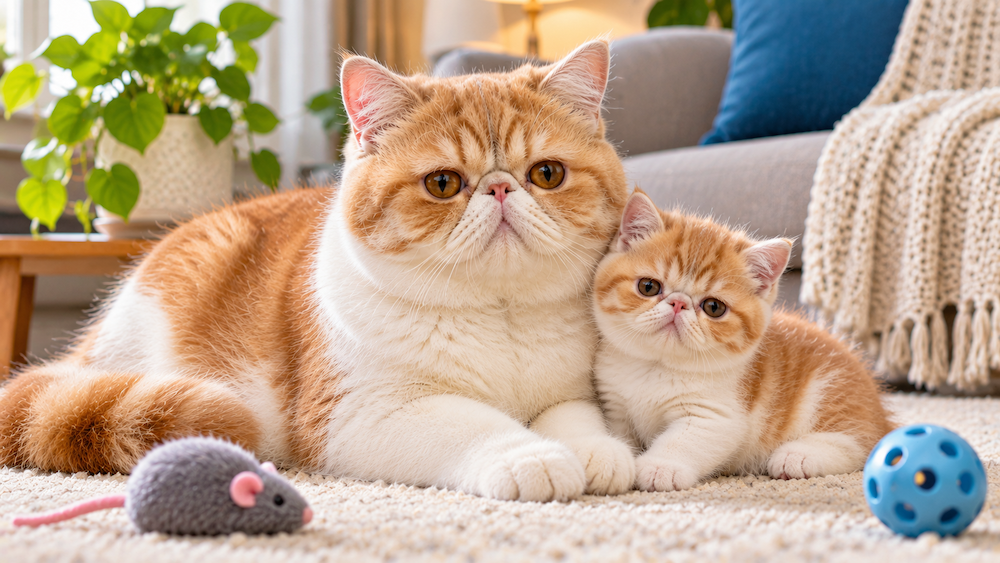
The Exotic Shorthair combines the broad, rounded features of the Persian with a short, dense coat. These cats are often gentle, sociable and content to share a comfortable home with their people. Their low-key manner does not mean they are maintenance-free: facial folds, eyes and breathing need careful attention, particularly in very flat-faced lines.
If you are looking for an Exotic Shorthair kitten in the UK, prioritise a healthy, well-socialised animal over unusual colouring or an exaggerated face. A reputable breeder will welcome questions about parent cats, genetic testing, veterinary care and the kitten’s upbringing.
Browse PetSalesUK.com to explore cat listings and contact sellers. Always verify the animal’s details and the seller’s credentials independently.
Exotic Shorthair Kittens for Sale Near Me
You may find kittens advertised across England, Scotland, Wales and Northern Ireland, although availability can vary by region and season. A wider search may be worthwhile if it helps you find a breeder who places health and welfare first. Never pay a deposit simply because a kitten is described as rare or immediately available.
What to Ask an Exotic Shorthair Breeder
- Can I meet the kitten with its mother in the home where it has been raised?
- Have both parents been tested for polycystic kidney disease (PKD), and can I see the results?
- Do the parents and kitten breathe comfortably, with open nostrils and no persistent noisy breathing?
- What veterinary checks, vaccinations, parasite treatments and microchip details are provided?
- Will I receive a written contract, feeding advice and clear information about ongoing care?
In England, kittens must be at least eight weeks old before sale, and commercial breeders may require a local-authority licence. Rules and enforcement differ across the UK; check the requirements where the seller operates. Many responsible pedigree breeders keep kittens longer to support development and socialisation.

Does an Exotic Shorthair Make a Good Family Cat?
An Exotic Shorthair can be an excellent family companion in a considerate household. Many enjoy gentle attention, interactive games and relaxing near their owners. They are usually less demanding than highly active breeds, but individual personalities vary.
Children should learn to handle cats calmly and allow them to retreat when they want quiet time. Introductions to existing cats and cat-friendly dogs should be gradual, with separate resources and safe spaces. An Exotic Shorthair may suit a flat or house provided there is enrichment, scratching space and regular human interaction.
Exotic Shorthair Temperament and Personality
Often described as sweet-natured and quietly playful, this breed tends to form strong bonds without requiring constant activity. Some are confident lap cats; others prefer sitting beside you. Early positive experiences with household noises, visitors and gentle handling help kittens develop into settled adults.
Are Exotic Shorthairs Indoor Cats?
Indoor living can reduce exposure to traffic, theft and infectious disease, particularly for cats with limited tolerance for heat or exertion. Provide window perches, climbing options, puzzle feeders and daily play. A secure catio or enclosed garden can offer supervised outdoor stimulation without unrestricted roaming.
How Much Exercise Does an Exotic Shorthair Need?
Short, frequent play sessions are generally more suitable than strenuous exercise. Try feather wands, soft balls, tunnels and food puzzles, and rotate toys to sustain interest. Because these cats can gain weight, monitor body condition and food portions with your vet. Avoid vigorous play if your cat shows laboured breathing or becomes overheated.
Training and Socialising an Exotic Shorthair
Reward-based training works well for practical skills such as coming when called, using a carrier and accepting grooming. Keep sessions brief and positive. Introduce nail trimming, eye cleaning and toothbrushing gradually from kittenhood; never force handling when a cat is distressed.
Exotic Shorthair Grooming and Coat Care
The coat is shorter than a Persian’s but unusually dense, so it still needs regular brushing—often several times a week, and more during seasonal shedding. Check for tangles behind the legs and around the collar. Some flat-faced cats have tear overflow and require gentle cleaning around the eyes with vet-recommended products.
- Brush regularly with a suitable soft brush or comb to remove loose undercoat.
- Inspect eyes and facial folds daily for moisture, irritation or discharge.
- Check ears and trim claws as needed; provide sturdy scratching posts.
- Establish dental care early and book routine veterinary checks.
Exotic Shorthair Health and Lifespan
Exotic Shorthairs often live into their early to mid-teens with appropriate care, although longevity varies. Their Persian ancestry is associated with important inherited and conformation-related health concerns. The most significant welfare issue is brachycephaly: an extremely short muzzle can affect breathing, eye protection and dental alignment.
Important Health Issues
- Brachycephalic airway problems: noisy breathing, narrow nostrils, heat intolerance or breathing difficulty require veterinary assessment.
- Polycystic kidney disease (PKD): ask for documented DNA testing of breeding cats.
- Eye problems: prominent eyes and facial structure can contribute to tear overflow, irritation and corneal injury.
- Dental crowding and gum disease: shortened jaws can make oral hygiene more challenging.
- Obesity: measured meals and gentle daily activity help protect long-term health.
Choose kittens with a less extreme facial shape, clearly open nostrils and comfortable, quiet breathing. Seek prompt veterinary attention for open-mouth breathing, collapse or marked respiratory distress.
Interesting Facts About the Exotic Shorthair
- The breed was developed by crossing Persian cats with shorthaired cats to achieve a plush, easy-to-manage coat.
- Exotic Shorthairs share many of the Persian’s distinctive round features and relaxed manner.
- The dense coat can feel surprisingly thick despite being short.
- Their expression is often described as teddy-bear-like, but healthy anatomy matters more than appearance.
Exotic Shorthair Breed Overview
Breed characteristic | Typical rating or description |
Size | Medium; sturdy, compact build |
Temperament | Affectionate, gentle, quietly playful |
Family suitability | Very good with respectful handling |
Flat living | Generally well suited |
Activity level | Low to moderate |
Trainability | Good with patient, positive rewards |
Grooming | Moderate; dense coat and eye care |
Shedding | Moderate to high seasonally |
Vocalisation | Usually relatively quiet |
Lifespan | Often approximately 12–15 years; varies |
Health priorities | Breathing, eyes, kidneys, dental health |
Thinking About Buying an Exotic Shorthair?
The right kitten should come from a breeder who can demonstrate responsible care, appropriate health screening and a clean, stimulating home environment. Do not select solely on coat colour, pedigree or a very flat face. Consider the lifetime cost of insurance, veterinary care, grooming, food and enrichment, and ask whether an older cat might also suit your household.
For UK buyers, review the seller’s documentation, meet the kitten in person wherever possible and avoid pressure to pay quickly or accept delivery without seeing the animal’s living conditions.
Browse PetSalesUK.com to explore cat listings and contact sellers. Always verify the animal’s details and the seller’s credentials independently.