Puli Puppies for Sale
With its remarkable corded coat, lively personality and centuries of Hungarian herding heritage, the Puli is a distinctive companion for owners who enjoy an intelligent, energetic dog and can commit to its specialist grooming needs.
Buying a Puli Puppy in the UK
The Puli is an uncommon breed in Britain, so finding a carefully raised litter may require patience and travel. Rather than choosing the first available puppy, look for a breeder who prioritises sound temperament, appropriate health screening and early socialisation. A responsible breeder should be happy to discuss the breed’s demanding coat care and suitability for your lifestyle.
Finding Puli Puppies for Sale Near Me
Search across your local area and, if necessary, further afield in England, Scotland, Wales or Northern Ireland. Breed clubs and Kennel Club resources can help you learn about established breeders and planned litters. A waiting list can be a positive sign when a breeder produces puppies thoughtfully rather than frequently.
You can also explore pet advertisements on PetSalesUK.com. Check each seller independently and never treat an online listing as proof of responsible breeding.
How to Choose a Responsible Puli Breeder
- Visit the puppies where they were raised and, wherever possible, meet their mother. Observe her behaviour and the cleanliness of the surroundings.
- Ask for relevant parental health screening results, including hip assessments and breed-appropriate eye testing, and discuss any known inherited conditions in the family.
- Request vaccination and veterinary records, microchip details, worming information, feeding guidance and a written sale agreement.
- Expect questions about your home, exercise plans and ability to maintain a corded coat; good breeders care where their puppies go.
In the UK, puppies must not be sold before eight weeks of age. Microchipping and registration requirements apply, and rules governing commercial breeding and sales differ across the four nations. In England, Lucy’s Law restricts third-party commercial sales of puppies; buyers should check the applicable rules and breeder licensing position.
What Should a Puli Puppy Cost?
Prices vary with availability, pedigree, health testing and breeder practices. As this is a relatively rare breed, avoid judging a seller by price alone. Budget for insurance, food, veterinary care, training and the time or professional assistance required for coat maintenance. Be cautious about sellers demanding a deposit before you can verify the litter.

Is a Puli a Good Family Dog?
A well-bred, well-socialised Puli can be affectionate, playful and deeply attached to its household. However, its quick reactions, alertness and working-dog instincts mean it is best suited to families ready to provide daily activity, training and consistent boundaries.
Puli Temperament and Personality
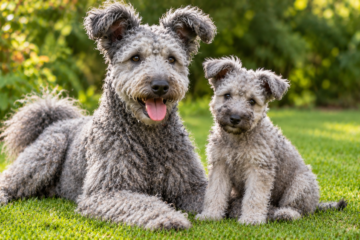
Pulik (the plural of Puli) are bright, confident and often amusingly agile. Many are watchful around unfamiliar people and vocal when something catches their attention. Their herding background can produce chasing or circling behaviour, particularly around running children. Early, positive introductions to people, sounds, dogs and everyday situations are essential.
Are Pulik Suitable for Children and Other Pets?
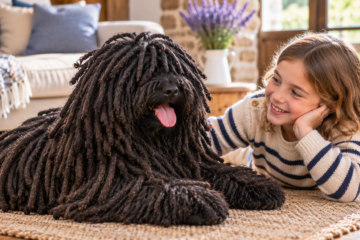
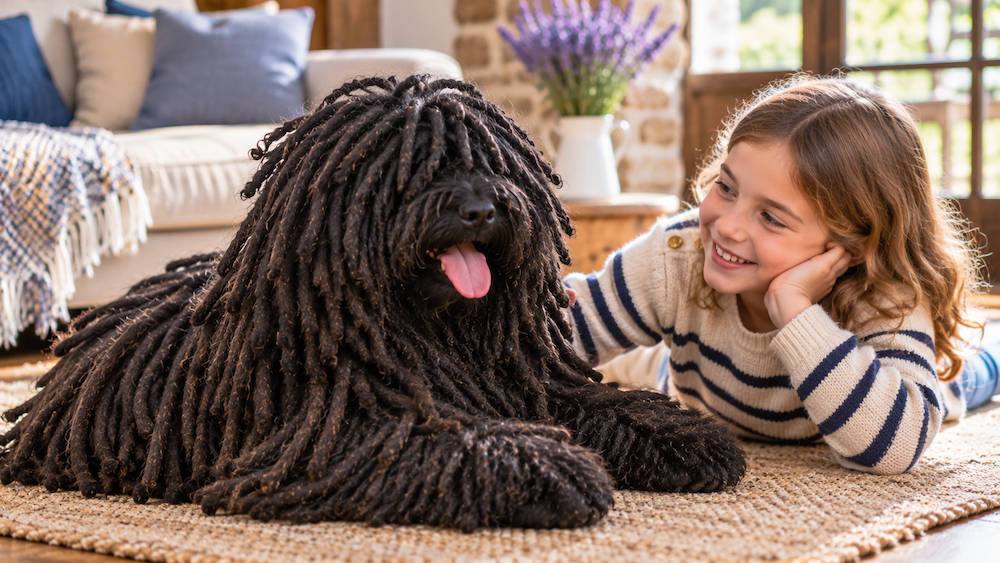
They may do very well with considerate children, especially when raised together, but adult supervision is important. Teach children not to pull cords or disturb a resting dog. Carefully managed introductions can help a Puli coexist with other pets; individuals vary, and some retain a strong urge to chase movement.
Exercise and Mental Stimulation
Expect to provide substantial daily exercise, often around an hour or more for a healthy adult, adjusted to age, fitness and veterinary advice. Walks alone may not be enough: scent games, obedience, agility foundations and interactive play keep a Puli engaged. Puppies need short, age-appropriate activities rather than forced running or strenuous jumping while growing.
Training a Puli Puppy
Use reward-based training from the beginning, with particular attention to recall, calm greetings, loose-lead walking and settling quietly indoors. A Puli learns quickly but can become inventive when bored. Short, varied sessions and consistency work better than harsh corrections. Because the breed can be an enthusiastic watchdog, teach an alternative behaviour to prolonged barking.
Puli Grooming, Health and Breed Overview
Understanding the Puli’s Corded Coat
The Puli’s signature coat may form natural cords as it matures, but it does not look after itself. Owners must regularly separate developing cords by hand, keep the skin clean and dry, and check for trapped debris. Bathing and drying can take considerable time; a damp coat left wet for too long can cause skin problems. Some owners choose a shorter, brushed or clipped style, which still requires regular care. Ask a knowledgeable breeder or groomer to demonstrate proper maintenance before taking a puppy home.
Common Puli Health Considerations
The Puli is generally a robust breed, but prospective owners should ask about hip dysplasia, inherited eye conditions and other health concerns relevant to the breeding lines. Discuss available screening with the breeder and a vet rather than assuming a puppy is healthy simply because it appears active. Keep weight under control, maintain dental hygiene and schedule routine veterinary checks.
Living with a Puli in the British Climate
Britain’s wet weather makes coat drying particularly important after muddy walks. Check between cords for grass seeds, ticks and irritation, especially after exploring fields and woodland. Provide a sheltered, comfortable indoor sleeping area and avoid leaving a wet dog in a cold environment. In warmer spells, exercise during cooler hours and watch for overheating.
Interesting Facts About the Puli
- The breed originated in Hungary and was developed to work with livestock, often using speed and agility to move around a flock.
- Its striking coat can be black, white or shades of grey and fawn, depending on breeding lines and breed standards.
- A Puli’s cords typically develop over time; young puppies start with a softer, fluffy coat rather than fully formed cords.
- Despite the dramatic appearance, this is a nimble, athletic working dog rather than a low-energy ornamental breed.
Puli Breed Overview
Breed origin | Hungary |
Breed group | Pastoral / herding |
Typical size | Medium; roughly 10–15 kg |
Typical lifespan | Around 12–16 years |
Coat | Dense, naturally cord-forming double coat |
Grooming needs | Very high; specialist cord maintenance |
Exercise needs | High |
Trainability | High with patient, positive training |
Family suitability | Good for active, experienced households |
Apartment suitability | Possible with ample activity and barking management |
Shedding | Loose hair often retained within cords; not allergy-proof |
Best suited to | Owners seeking an active, clever companion |
Thinking About Buying a Puli?
Before committing, consider whether you have the time for daily activity, training and meticulous coat care throughout the dog’s life. Meet adult Pulik if possible: seeing their movement, temperament and grooming routine in person is one of the best ways to decide whether the breed is right for you.
Browse available pets at PetSalesUK.com and take the time to verify health information, breeder practices and the puppy’s living conditions before making any payment.