Pumi Puppies for Sale
Looking for Pumi puppies for sale in the UK? This lively Hungarian herding breed combines a distinctive curly coat, alert expression and remarkable intelligence. Discover what to expect from Pumi ownership and how to find a responsibly bred puppy.
Buying a Pumi Puppy in the UK
Where Can I Find Pumi Puppies for Sale Near Me?
The Pumi is relatively uncommon in Britain, so finding a litter may take time. Search beyond your immediate area and be prepared to join a reputable breeder’s waiting list. Breed clubs, established dog-show networks and responsible breeder referrals can help you identify genuine Pumi specialists rather than sellers advertising fashionable “rare” puppies.
You can also explore dog listings at PetSalesUK.com, while checking every breeder and litter independently before committing to a purchase.
How Do I Choose a Responsible Pumi Breeder?
A responsible breeder welcomes questions about the puppy’s parents, temperament, early handling and suitability for your home. Ask to meet the puppy with its mother in the place it was raised, review health-test evidence for both parents and see clear records of veterinary care, worming and microchipping. A good breeder should ask you questions too, explain the breed’s exercise needs and offer support after collection.
Be cautious of sellers who pressure you to pay immediately, offer to deliver a puppy without a proper visit, advertise numerous unrelated breeds or refuse to show where the litter lives. Avoid paying deposits until you have verified the breeder and understood the terms.
What Are the Rules for Buying a Puppy in the UK?
In England, puppies must not be sold by third-party commercial dealers, and puppies generally must be at least eight weeks old before sale. Breeders may need a local-authority licence depending on their activities; rules differ across England, Scotland, Wales and Northern Ireland. In the UK, dogs must be microchipped and registered on an appropriate database by eight weeks of age, subject to limited exceptions. Confirm the requirements relevant to your nation and ask for the paperwork needed to update the keeper details.
Request a written receipt or contract, the puppy’s microchip details, vaccination and parasite-treatment history, and information about the parents’ health. Kennel Club registration can help document pedigree where applicable, but registration alone does not guarantee responsible breeding.
How Much Does a Pumi Puppy Cost?
Pumi puppy prices vary with breeder reputation, pedigree, health testing and availability. Because the breed is uncommon, travel costs and waiting times can be more significant than for widely available breeds. Budget beyond the purchase price for insurance, quality food, training classes, grooming tools, veterinary visits and secure enrichment equipment. An unusually low price should prompt additional checks rather than an immediate purchase.

Is a Pumi a Good Family Dog?
What Is the Pumi’s Temperament Like?
Pumis are energetic, quick-thinking and intensely observant dogs developed for moving livestock. They tend to bond closely with their household and enjoy being involved in everyday activities. Many are expressive and vocal, making early guidance around barking particularly important in busy neighbourhoods. Their confident, inquisitive nature is appealing, but they are not typically a low-effort companion.
Are Pumis Good with Children and Other Pets?
A well-socialised Pumi can be a rewarding family dog in a home that understands active herding breeds. Supervise interactions with young children and teach children to respect the dog’s space. Herding instincts may lead some Pumis to chase running children or attempt to control movement with nipping; calm redirection and positive-reinforcement training help prevent these habits becoming established.
Pumis may live successfully with other dogs and cats when introduced thoughtfully, although their enthusiasm and chase drive need managing. Individual temperament and early experiences matter more than breed labels alone.
How Much Exercise Does a Pumi Need?
Most adult Pumis need substantial daily physical activity alongside structured mental stimulation. Brisk walks, scent games, agility, obedience, trick training and controlled fetch can all help. Puppies need shorter, age-appropriate sessions rather than repetitive high-impact exercise. A Pumi that receives only a quick walk may become noisy, restless or inventive in ways owners do not appreciate.
Is a Pumi Easy to Train?
Pumis are highly trainable but often anticipate their owner and become bored with repetitive drills. Short, varied, reward-based sessions work well. Prioritise recall, loose-lead walking, settling indoors, handling for grooming and appropriate responses to visitors or passing dogs. Early socialisation should introduce the puppy gradually to different people, surfaces, sounds and environments without overwhelming it.
Can a Pumi Live in a Flat?
Flat living is possible for some individuals, but it demands a committed owner, reliable daily exercise, mental enrichment and a plan for managing barking. A secure garden is useful but cannot replace interaction and training. Households seeking a quiet, low-energy dog may be happier with a different breed.
Pumi Grooming, Health and Breed Overview
Does a Pumi Shed and How Do You Groom Its Coat?
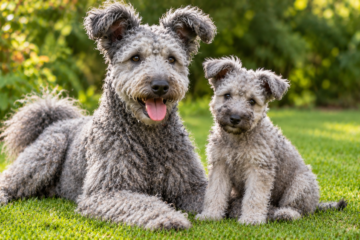
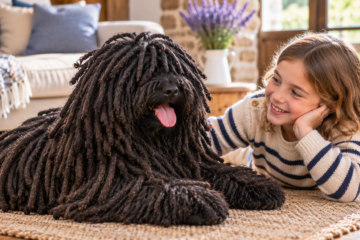
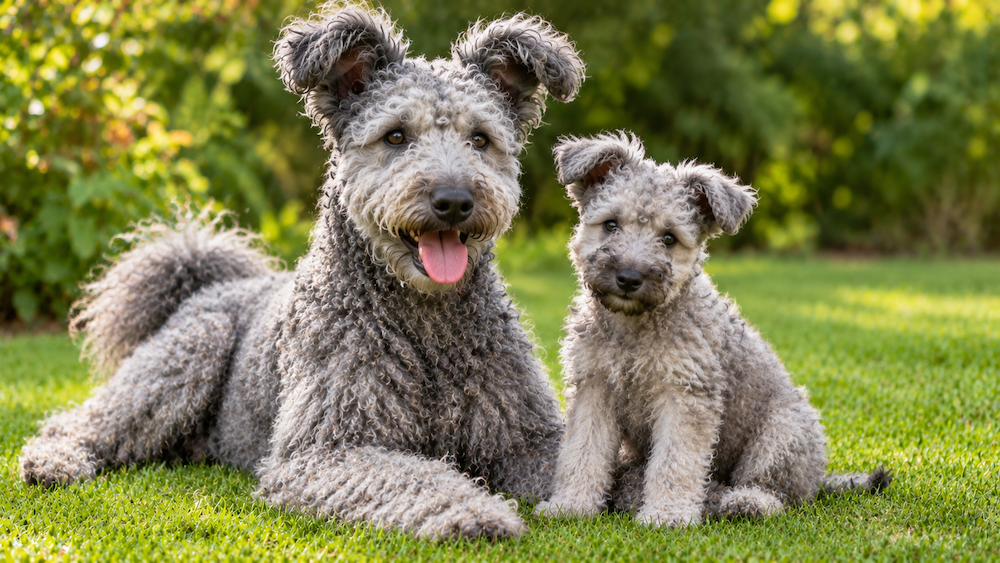
The Pumi has a distinctive wavy-to-curly coat that forms loose curls rather than the heavy cords of the related Puli. It is generally low shedding, but not maintenance-free or guaranteed hypoallergenic. Regular combing helps prevent mats, and the coat is often dampened and allowed to curl naturally after grooming. Periodic trimming may be needed to keep the dog comfortable and tidy. Ask the breeder to demonstrate correct coat care and begin gentle handling from puppyhood.
What Health Problems Can Affect Pumis?
Pumis are generally active, robust dogs, but inherited conditions can occur. Discuss hip dysplasia, patellar luxation and eye health with the breeder, and ask which screening programmes or DNA tests are appropriate for their breeding lines. Degenerative myelopathy is another condition for which genetic testing may be discussed. A DNA result is only one part of health assessment; it cannot replace clinical examinations or informed breeding decisions.
Keep up with veterinary checks, dental care, parasite prevention and weight management. In Britain, check your dog for ticks after countryside walks, particularly in long grass and woodland, and seek veterinary advice promptly if your dog becomes unwell.
Pumi Breed Overview
Breed | Pumi (Hungarian herding dog) |
Origin | Hungary |
Size | Medium-small; typically around 8–15 kg |
Height | Approximately 38–47 cm at the shoulder |
Coat | Wavy or curly, with regular grooming needed |
Common colours | Black, grey, white and fawn shades |
Temperament | Alert, intelligent, lively and affectionate |
Exercise | High; physical activity plus mental challenges |
Family suitability | Best with active, training-focused households |
Typical lifespan | Approximately 12–14 years |
Interesting Facts About the Pumi
The Pumi’s upright, expressive ears often have tips that fold forward, giving the breed its unmistakable silhouette. Despite its teddy-bear curls, it is a working herding dog rather than a decorative lapdog. Its athleticism and eagerness to learn make it a strong candidate for canine sports, especially agility and obedience.
Is the Pumi the Right Dog for You?
Choose a Pumi if you enjoy active days, interactive training and a dog that wants to participate in family life. Consider another breed if you need a quiet, undemanding pet or cannot provide regular grooming and enrichment. Take your time finding a knowledgeable breeder: a well-matched puppy and informed owner are more important than a quick purchase.
Explore available pets and responsible seller listings on PetSalesUK.com. Always verify the seller, health information and legal requirements before buying.