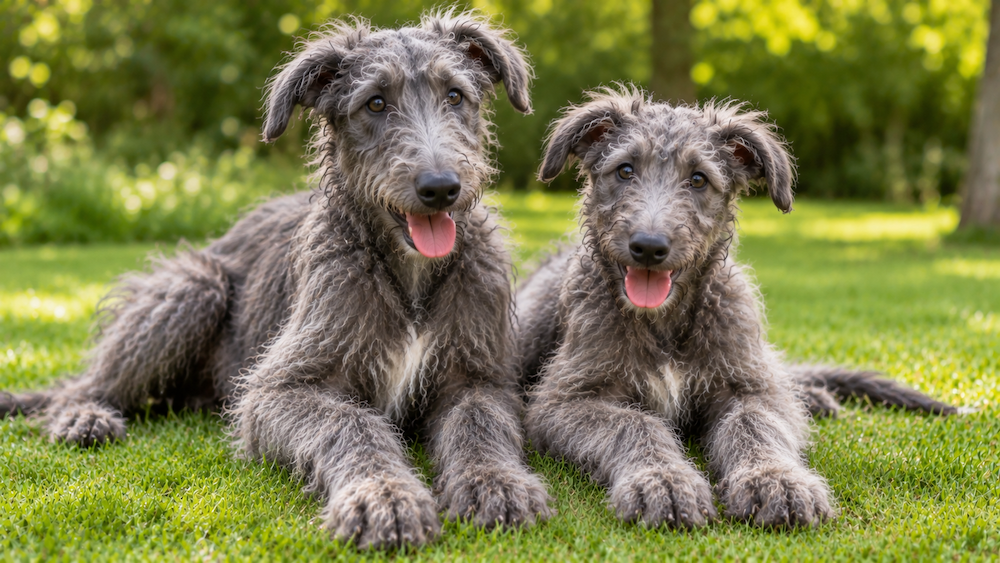
Scottish Deerhound Puppies for Sale
Elegant, gentle and impressively tall, the Scottish Deerhound is a historic British sighthound best suited to owners who can offer space, companionship and safe opportunities to run.
If you are searching for Scottish Deerhound puppies for sale in the UK, understanding this rare breed’s temperament, size and specialist needs will help you make a confident, responsible choice.
Buying a Scottish Deerhound Puppy in the UK
Where Can I Find Scottish Deerhound Puppies for Sale Near Me?
Scottish Deerhounds are relatively uncommon, so finding a carefully bred litter may take time. Start by speaking with established breed clubs, attending appropriate dog shows and checking reputable breeders with a track record of health testing and lifetime support. You can also browse pet listings on PetSalesUK, but always assess the individual seller independently.
Explore relevant dog and puppy listings at PetSalesUK.com. Availability changes, and an advertised puppy is not automatically from a responsible breeder.
How Do I Choose a Responsible Scottish Deerhound Breeder?
A good breeder welcomes detailed questions, introduces you to the puppy’s mother where possible, explains the parents’ health history and discusses the realities of raising a giant sighthound. Ask about relevant heart screening, hereditary health concerns and the breeder’s experience with the breed. Expect clear records of veterinary care, feeding, worming and socialisation, alongside a written sales agreement and a sensible return policy.
Avoid sellers who offer immediate collection without discussion, refuse a visit or live video viewing, cannot explain the puppy’s background, or pressure you to send money quickly. Never assume that a pedigree or Kennel Club registration alone guarantees health or responsible breeding.
What Should I Check Before Bringing a Puppy Home?
In the UK, puppies must be at least eight weeks old before sale in the usual circumstances and must be microchipped and registered on a compliant database by eight weeks, subject to limited exceptions. In England, Lucy’s Law generally requires a puppy bought from a commercial seller to be purchased directly from its breeder or a legitimate rehoming centre; requirements differ across the UK nations. Confirm current local rules and ask for the microchip details, veterinary records, diet information and written documentation before collection.
How Much Does a Scottish Deerhound Cost to Own?
Beyond the purchase price, budget for large-dog food, appropriately sized bedding, a secure garden, insurance, veterinary care, parasite prevention and transport. Costs for treatment and medication can be higher for a dog of this size. An emergency fund is particularly important because some breed-related conditions require urgent specialist care.

Is a Scottish Deerhound a Good Family Dog?
What Is the Scottish Deerhound Temperament Like?
The Scottish Deerhound is typically calm, affectionate and dignified at home, often forming a close bond with its family. Despite its imposing stature, it is usually a sensitive dog that responds best to patient handling and gentle, reward-based training. Young Deerhounds can be exuberant and physically clumsy while they mature.
Are Scottish Deerhounds Good with Children and Other Pets?
Many Deerhounds live happily with considerate older children, but their size means supervision is essential around younger ones. Their strong instinct to chase moving animals makes introductions to cats and small pets a serious consideration. Even a dog raised with a household cat may chase unfamiliar animals outdoors. Individual temperament, early socialisation and management matter greatly.
How Much Exercise Does a Scottish Deerhound Need?
Adult Deerhounds need regular walks, mental stimulation and chances to stretch into a gallop in a securely enclosed area. Their recall can be unreliable when they spot wildlife, so open fields near roads, livestock or deer are unsuitable for off-lead exercise. Puppies need age-appropriate activity rather than forced long-distance running; ask your breeder and vet about safe exercise during growth.
Can a Scottish Deerhound Live in a Flat?
A settled adult may be surprisingly quiet indoors, but the breed’s enormous size, long limbs and need for secure outdoor exercise make most small flats impractical. A comfortable resting area, non-slip floors and a reliably fenced garden are valuable. These dogs thrive on being close to their people and are not well suited to long periods of isolation.
Is a Scottish Deerhound Easy to Train?
Deerhounds are intelligent but independent. Short, positive sessions work better than repetition or harsh corrections. Focus early on polite lead walking, calm greetings, handling, recall foundations and settling around distractions. Because prey drive can override training, physical management remains essential throughout life.
Scottish Deerhound Care, Health and Breed Overview
Does a Scottish Deerhound Shed or Need Much Grooming?
The rough, wiry coat is relatively straightforward to maintain with regular brushing or combing to remove loose hair and tangles. Check the beard, legs and areas behind the ears, and keep nails, teeth and ears in good condition. Occasional hand-stripping or tidying may be appropriate for some coats; discuss this with an experienced groomer familiar with the breed.
What Health Problems Can Affect Scottish Deerhounds?
Important health considerations include dilated cardiomyopathy and other heart disease, osteosarcoma (bone cancer), gastric dilatation-volvulus (bloat), and certain inherited or breed-associated disorders. Ask breeders what health screening and family-history information they can provide. Sudden abdominal swelling, unproductive retching, collapse or marked distress is an emergency requiring immediate veterinary attention. Discuss feeding routines and bloat risk with your vet; no single precaution removes the risk.
Scottish Deerhound Breed Overview
Breed | Scottish Deerhound |
Origin | Scotland, United Kingdom |
Breed group | Sighthound / Hound |
Size | Very large to giant; typically around 71–81 cm or more at the shoulder, depending on sex |
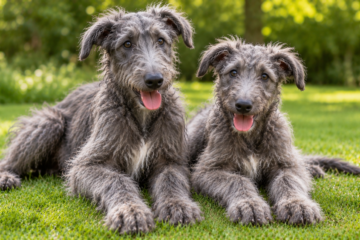
Coat | Harsh, wiry and shaggy |
Typical colours | Blue-grey and shades of grey, brindle, fawn or sandy red |
Temperament | Gentle, affectionate, sensitive and independent |
Exercise | Substantial daily activity and safe enclosed running |
Grooming | Moderate; regular brushing and coat checks |
Family suitability | Often good with considerate families; supervision essential |
Typical lifespan | Approximately 8–11 years; individual dogs vary |
Interesting Facts About the Scottish Deerhound
Historically associated with Scottish nobility, the Deerhound was bred to pursue red deer across rugged terrain. It is sometimes called the “Royal Dog of Scotland”. Although related in type to other sighthounds, the Deerhound has its own distinct heritage, rough coat and famously gentle domestic manner.
Ready to Welcome a Scottish Deerhound Puppy?
Choose a Scottish Deerhound for its temperament and needs, not simply its striking appearance. Speak to knowledgeable breeders, plan for a very large adult dog, and ensure you can provide secure exercise, consistent companionship and appropriate veterinary care.
When you are ready to begin your search, visit PetSalesUK.com to explore current listings and contact sellers with informed questions.