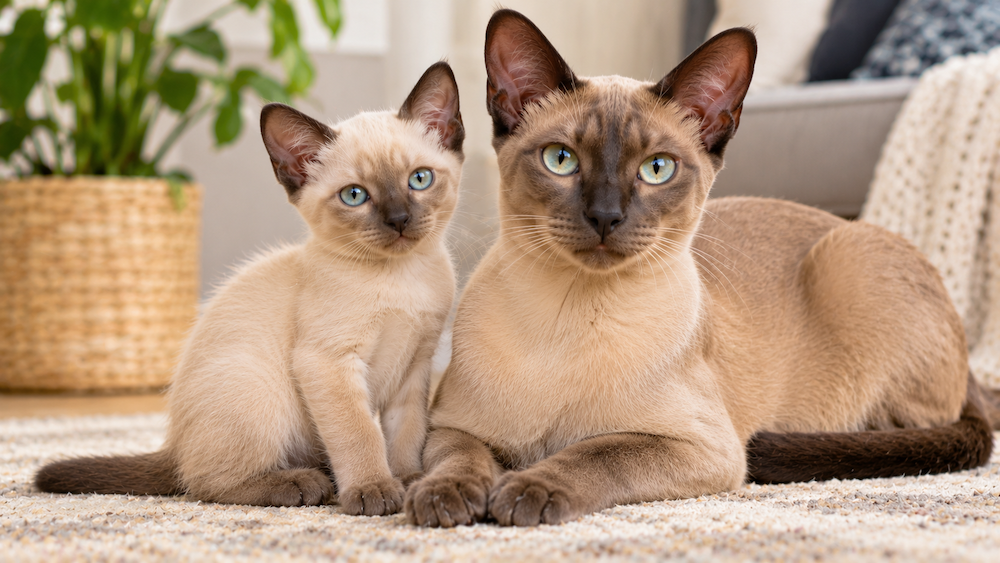
Tonkinese Kittens for Sale
Playful, affectionate and famously sociable, the Tonkinese is a striking companion cat for households that can offer plenty of company, conversation and interactive play.
Buying a Tonkinese Kitten in the UK
Where Can I Find Tonkinese Kittens for Sale Near Me?
Start with a reputable breeder who welcomes questions, explains their breeding programme and allows you to see kittens with their mother in a clean, relaxed home environment. Tonkinese litters can be relatively uncommon, so expect a waiting list rather than rushing into a deposit. You can also explore cat listings on PetSalesUK while checking every seller independently.
How Do I Choose a Responsible Tonkinese Breeder?
Ask about the parents’ temperament, veterinary history, relevant health screening, socialisation and pedigree registration where claimed. A responsible breeder should provide a written agreement, vaccination and worming records, microchip details and practical advice for settling your kitten in. They should be happy to discuss what happens if your circumstances change.
Avoid sellers who refuse a visit or live video call, offer multiple unrelated litters at once, pressure you to pay immediately or suggest meeting in a car park. Do not assume a registration claim proves a breeder is ethical; check the documentation and the conditions yourself.
When Can a Tonkinese Kitten Leave Its Mother?
In England, kittens must be at least eight weeks old before sale; many responsible pedigree breeders keep kittens until around 12–13 weeks so they can mature socially and complete important early care. Rules and guidance can vary across the UK, so confirm the requirements where the kitten is being sold.
How Much Does a Tonkinese Kitten Cost?
Price depends on breeder reputation, pedigree, location and what veterinary care is included. Ask for a complete breakdown rather than judging solely by the advertised price. Budget for insurance, vaccinations, neutering where appropriate, good-quality food, litter, scratching posts, enrichment and ongoing veterinary treatment.

Is a Tonkinese a Good Family Cat?
What Is the Tonkinese Temperament Like?
Tonkinese cats are typically curious, outgoing and people-focused. Developed from Siamese and Burmese lines, they often combine an energetic, talkative nature with a strong desire for affection. Many follow their owners around the house, investigate everyday activities and seek a lap when playtime ends. Individual personalities still vary.
Are Tonkinese Cats Good with Children and Other Pets?
They can thrive with considerate children and other sociable pets when introductions are gradual and interactions are supervised. Teach children to let the cat approach, avoid rough handling and respect resting places. Provide elevated escape routes and separate resources in multi-pet households.
Can Tonkinese Cats Be Left Alone?
This is generally not the ideal breed for a home where everyone is away for long periods. Tonkinese cats often crave interaction and may become bored without company. Daily play, puzzle feeders, climbing areas and—where appropriate—a compatible feline companion can help, but a second cat is not a substitute for human attention.
Are Tonkinese Cats Suitable for Flats?
Yes, provided their indoor environment is stimulating. Vertical climbing space, window perches, sturdy scratching posts and regular play are more important than a large floor area. Secure windows and balconies; a catio can offer controlled outdoor enrichment without the risks of free roaming.
Tonkinese Care, Health and Breed Overview
How Much Exercise and Play Does a Tonkinese Need?
Plan several short interactive play sessions each day using wand toys, chasing games and food puzzles. These intelligent cats may enjoy clicker training, learning to fetch and exploring a safe harness routine. Rotate toys and finish energetic sessions with a calm reward.
Does a Tonkinese Shed or Need Much Grooming?
The short, close-lying coat is relatively easy to maintain. A weekly soft brush or grooming mitt usually removes loose hair and keeps the coat glossy. Check ears, trim claws as needed and establish gentle tooth-brushing with veterinary advice. No cat breed is reliably hypoallergenic.
What Health Problems Can Affect Tonkinese Cats?
Tonkinese are often robust, but hereditary conditions and common feline illnesses remain important considerations. Discuss family history and any breed-line screening recommended by the breeder’s veterinary adviser, including eye and heart concerns where relevant. Dental disease, obesity and age-related conditions can affect any cat. Arrange routine check-ups, vaccinations, parasite prevention and insurance before problems arise.
Tonkinese Breed Overview
Breed origin | Developed from Siamese and Burmese ancestry |
Size | Medium; muscular and surprisingly substantial |
Coat | Short, fine and close-lying |
Typical colours | Point, mink and solid patterns in various colours |
Eyes | Aqua often associated with mink coats; colour varies by pattern |
Temperament | Affectionate, lively, inquisitive and sociable |
Family suitability | Good with respectful children and suitable pets |
Exercise | High play and enrichment needs |
Grooming | Low to moderate |
Life expectancy | Often around 12–16 years; individual lifespan varies |
What Makes the Tonkinese Different?
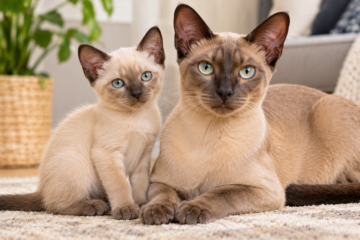
The breed is known for a soft, rounded head shape, expressive eyes and a sleek but athletic build. Its coat patterns can produce different eye colours: the much-admired aqua shade is especially associated with mink-pattern cats. The Tonkinese is usually more interactive than a cat that prefers to keep to itself.
Ready to Welcome a Tonkinese Kitten?
Take time to choose a healthy, well-socialised kitten and a breeder who puts welfare first. Prepare a quiet settling-in room, arrange a veterinary appointment and give your new companion predictable routines and patient attention.
Explore available cats and kittens at PetSalesUK.com and always verify the seller, the kitten’s welfare and the paperwork before making a commitment.