Skye Terrier Puppies for Sale
Looking for Skye Terrier puppies for sale in the UK? Discover what makes this rare Scottish terrier such a devoted companion, how to identify a responsible breeder and what to expect when bringing a puppy home.
Buying a Skye Terrier Puppy in the UK
Finding a responsible Skye Terrier breeder
The Skye Terrier is an uncommon native British breed, so finding a well-reared litter may take patience. Begin with reputable breed-club contacts, established breeders and carefully reviewed advertisements. A good breeder will welcome questions, explain the breed’s needs and be interested in the home you can offer rather than rushing a sale.
Visit the puppies where they have been raised, ideally with their mother, and look for a clean, stimulating environment. Puppies should appear curious and appropriately socialised. Ask how they have encountered household noises, gentle handling, visitors and everyday experiences. Avoid sellers offering several unrelated breeds, refusing visits or proposing to hand over a puppy in a car park.
Questions to ask before you buy
Ask to see the puppy’s veterinary records, microchip details, worming history and any relevant parental health-screening information. Discuss the pedigree and whether Kennel Club registration is included; registration alone is not a guarantee of health or breeder quality. The breeder should provide a written receipt or contract, feeding advice and clear information about ongoing support.
In the UK, puppies must not be sold under eight weeks old, and dogs must be microchipped and registered on an approved database by eight weeks of age, subject to applicable exemptions. In England, certain commercial dog-breeding and pet-selling activities require local-authority licensing; requirements differ across the UK’s nations. Check the rules relevant to your location.
Skye Terrier puppy prices and availability
Prices vary with breeder, pedigree, location and availability. Because litters can be scarce, be wary of unusually cheap offers or pressure to pay a deposit before confirming the breeder’s identity. Budget beyond the purchase price for insurance, veterinary care, food, grooming tools, training and secure equipment.
You can browse pet advertisements and explore listings at PetSalesUK.com, while independently checking every seller and the puppy’s documentation.

Is a Skye Terrier a Good Family Dog?
Temperament: loyal, spirited and independent
Skye Terriers are famously loyal to their people, often forming a particularly close bond with their household. They can be affectionate and entertaining indoors, but their terrier heritage also brings confidence, determination and a mind of their own. Some are reserved with strangers, so thoughtful introductions and positive early socialisation are important.
Their striking appearance can make them seem like ornamental lapdogs, yet the breed was developed to pursue quarry over rugged Scottish terrain. Expect an alert dog with courage, a keen interest in scents and movement, and a willingness to make independent decisions.
Children, other pets and everyday home life
A well-socialised Skye Terrier can thrive in a considerate family, particularly where children understand how to respect a dog’s space. Supervise interactions with younger children and never allow rough handling. Early introductions may help with other dogs, although some Skye Terriers prefer their own space. Their prey drive means small pets should be managed carefully.
They can adapt to a flat or smaller home if given regular walks, companionship and enrichment. However, they are not ideal for households expecting a dog to be left alone for long periods. Their loyalty and watchful nature may also lead to barking when visitors arrive or unusual sounds occur.
Training and exercise for a Skye Terrier
Use reward-based training with short, varied sessions and consistent household rules. Harsh corrections are unnecessary and can undermine trust. Practise recall early, but remember that a terrier following an interesting scent may ignore a cue; secure areas and a lead are often the safest choice.
Skye Terriers need daily exercise, sniffing opportunities and play rather than relentless high-impact activity. Puzzle feeders, scent games and gentle training exercises help channel their intelligence. Puppies need age-appropriate activity and plenty of rest while their bones and joints develop.
Skye Terrier Care, Health and Breed Overview
Skye Terrier breed snapshot
Origin | Isle of Skye, Scotland |
Breed group | Terrier |
Size | Small to medium; long-bodied and low-set |
Coat | Long, straight, weather-resistant outer coat with softer undercoat |
Colours | Commonly black, grey, cream or fawn shades, often with darker points |
Temperament | Loyal, courageous, intelligent and sometimes reserved |
Exercise | Moderate daily activity with mental enrichment |
Grooming | Regular thorough brushing and coat checks |
Typical lifespan | Approximately 12–14 years; individuals vary |
Best suited to | Patient owners seeking a close companion with terrier character |
Grooming the long Skye Terrier coat
The breed’s flowing double coat is one of its most recognisable features. Brush and comb thoroughly several times a week, paying attention behind the ears, beneath the legs, around the chest and along the feathering where tangles can form. Check for grass seeds, mud and debris after walks. Routine nail trimming, ear checks and dental care are equally important.
The coat should not be treated as maintenance-free. A reputable breeder or groomer familiar with Skye Terriers can demonstrate how to keep it comfortable and tidy without unnecessarily damaging its natural texture.
Health considerations and sensible puppy care
Like all pedigree dogs, Skye Terriers can have inherited or breed-associated health concerns. Discuss orthopaedic issues, including the breed’s particular vulnerability to problems associated with its long back and short legs, and ask the breeder about relevant health history and screening. Young puppies should avoid repeated jumping from furniture, steep stairs and excessive exercise while growing.
A veterinary check soon after bringing your puppy home is sensible. Keep vaccinations, parasite prevention and dental care up to date, maintain a healthy body condition and consider insurance early. A responsible breeder should be open about the health of their breeding dogs and any concerns within their lines.
The Skye Terrier’s distinctive appearance
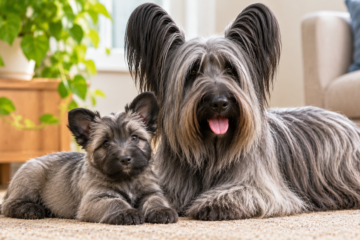
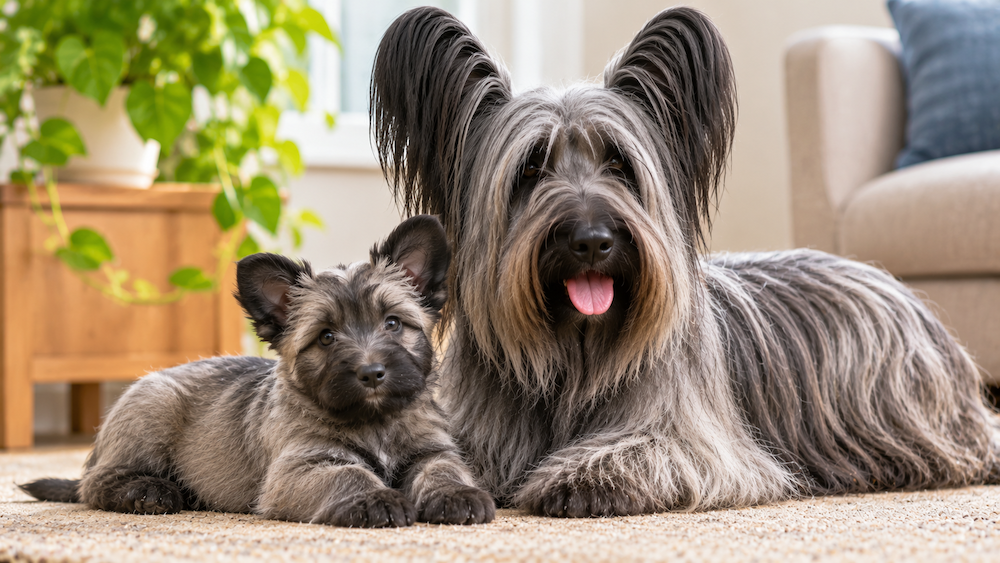
Skye Terriers have a long, low outline, a level back, a substantial coat and an expressive head with either prick or drop ears. Their history is rooted in the Scottish islands, where they were valued for working ability as well as devotion to their owners. Their rarity today makes careful breeding and informed ownership especially important.
Preparing your home for a new puppy
Before collection, arrange a quiet sleeping area, secure garden boundaries, non-slip flooring where possible, food recommended by the breeder and safe chew toys. Plan toilet training and positive exposure to new people, surfaces and sounds. Introduce the puppy to your household gradually, giving it predictable routines and plenty of rest.
A Skye Terrier is a rewarding choice for someone who appreciates an affectionate companion with a strong personality and is prepared for regular coat care, patient training and lifelong commitment. Take your time finding the right breeder and puppy rather than choosing solely on appearance.